Perfect LASIK Surgery: Common Fears and How to Overcome Them
Introduction
Thinking about LASIK surgery can feel exciting and a little nerve-wracking at the same time. The idea of waking up with clear vision is appealing—but it’s natural to feel hesitant when it comes to your eyes. Over the years, I’ve met many patients who arrived at my office with the same mix of hope and worry.
The truth is, perfect LASIK surgery is one of the most common and safest vision correction procedures available today. With the right surgeon, proper preparation, and clear information, you can set aside most fears and approach the process with confidence. Let’s walk through it together.
Step 1: Understanding LASIK
LASIK stands for Laser-Assisted In Situ Keratomileusis. Simply put, it uses a laser to gently reshape the cornea (the clear front part of your eye) so light focuses correctly on your retina. This improves your vision and can reduce or eliminate the need for glasses or contact lenses.
See more: Everything You Need to Know About Cataract Surgery: Procedure, Risks, and Recovery
Not everyone is a candidate—healthy eyes, stable prescriptions, and certain corneal measurements are key factors. Your eye doctor will guide you through the eligibility process so you know exactly where you stand.
Step 2: The Initial Consultation
This is where the journey begins. During your first visit, you can expect:
- Detailed eye mapping – Advanced technology creates a “map” of your eyes for precise planning.
- Prescription check – To ensure your vision is stable enough for surgery.
- Health review – Discussion about your general and eye health to ensure safety.
This is also the perfect time to voice your fears. A caring surgeon will listen, explain every step, and never make you feel rushed into a decision.
Step 3: Preparing for Surgery
Once you’ve decided to move forward, preparation becomes important. Your surgeon may ask you to:
- Stop wearing contact lenses a few days to weeks before surgery (they can change your cornea’s shape).
- Avoid heavy eye makeup and lotions near the eyes the day before.
- Arrange for someone to drive you home after the procedure.
Think of this stage as getting ready for a big but brief event—just a few simple adjustments can make your surgery day stress-free.

Step 4: The Day of the Procedure
Surgery day often feels shorter than patients expect. You’ll arrive at the clinic, have a few final checks, and receive numbing eye drops so you won’t feel pain.
The process usually goes like this:
- You’ll relax in a comfortable chair.
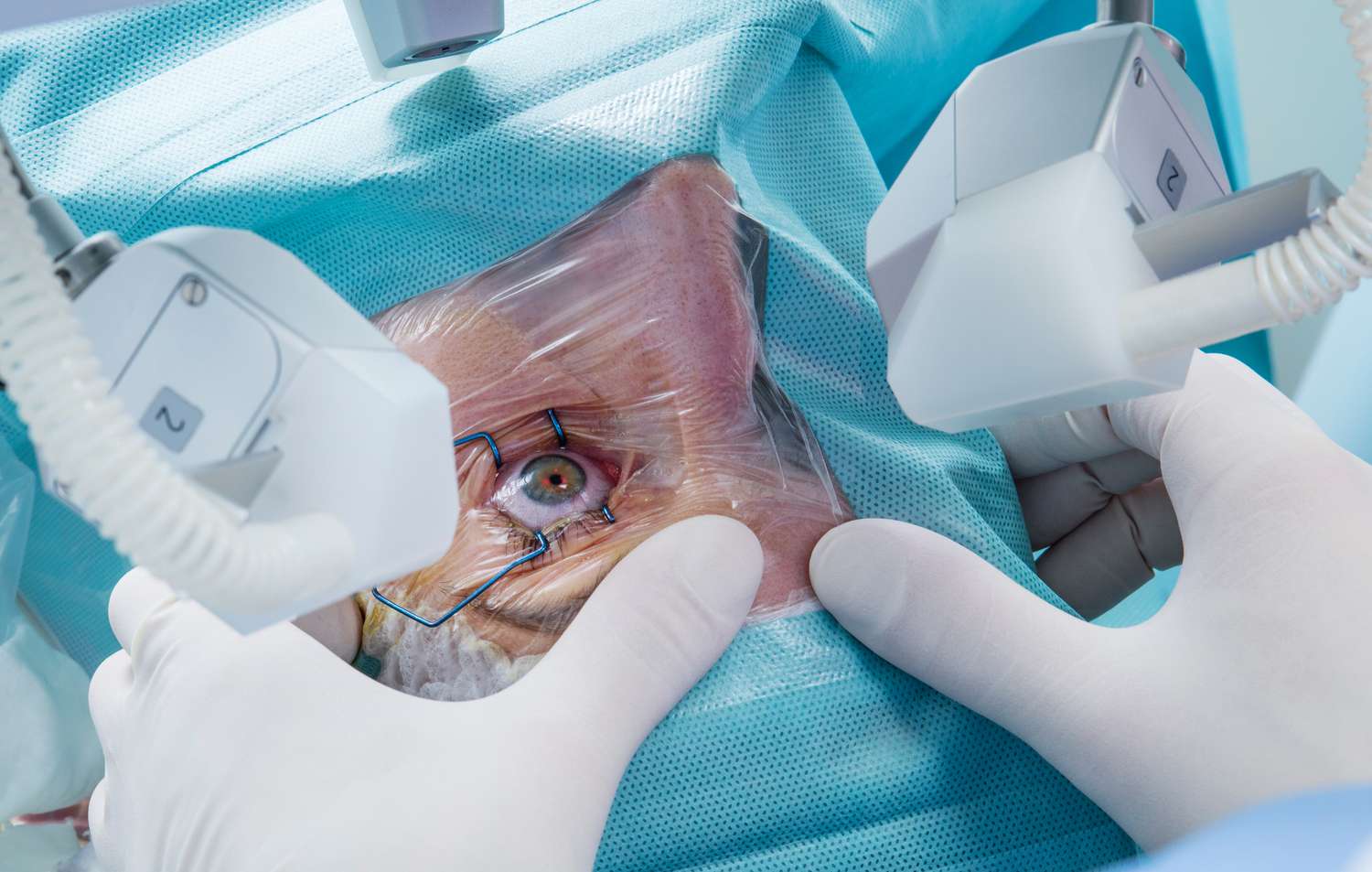
- A gentle device keeps your eyelids open.
- The surgeon creates a tiny flap on the cornea.
- The laser reshapes the cornea in seconds.
- The flap is smoothed back into place—no stitches needed.
From start to finish, both eyes are typically done in under 30 minutes. Most people are surprised by how quick and painless it feels.
Step 5: Recovery and Healing
Right after surgery, your vision may feel slightly blurry or hazy, like looking through a fogged-up window. That’s normal and improves quickly—often within a day or two.
You may notice:
- Mild dryness
- Sensitivity to light
- Occasional itchiness
Using your prescribed eye drops, resting, and avoiding rubbing your eyes will help speed recovery. Follow-up visits with your surgeon ensure your healing stays on track.
Step 6: Life After Perfect LASIK
One of the most rewarding moments is waking up the next morning and seeing clearly without reaching for glasses. Many patients describe it as “life-changing.”
Beyond sharper vision, people often feel a new sense of freedom—no more worrying about broken glasses, fogged lenses, or lost contacts. With proper care, your results can last for many years, giving you clear, comfortable vision in daily life.
Common Questions Answered
Does LASIK hurt?
No. You might feel gentle pressure during the procedure, but numbing drops prevent pain.
How soon will I see results?
Most people notice better vision within 24 hours, with gradual improvement over the next week or two.
Is LASIK permanent?
The reshaping of your cornea is permanent, but natural age-related vision changes can still occur later in life.
Conclusion
Feeling nervous about LASIK is completely normal. The key to overcoming those fears is knowledge, trust, and choosing an experienced surgeon who listens to your concerns.
Perfect LASIK surgery can give you more than just clearer vision—it can give you confidence, freedom, and a new way to experience the world. If you’ve been thinking about it, take that first step: schedule a consultation and have an open conversation with your eye doctor. You may find that your worries fade and your excitement grows.