Sleep Apnea Test Sydney: How to Prepare and What Results Mean
What Is a Sleep Apnea Test and Why Is It Important in Sydney?
A sleep apnea test Sydney is a diagnostic procedure that identifies sleep-disordered breathing, particularly obstructive sleep apnea—a condition where breathing repeatedly stops and starts during sleep. This disorder occurs when throat muscles intermittently relax and block the airway, leading to fragmented A Sleep Apnea Test Sydney helps identify the underlying causes of interrupted sleep and reduced oxygen levels. Clinics across Sydney provide two primary testing options: in-lab polysomnography and home-based sleep studies. Both methods monitor essential physiological functions to evaluate breathing patterns and sleep quality throughout the night.
The importance of undergoing a sleep apnea assessment cannot be overstated. Without proper diagnosis and treatment, sleep apnea significantly elevates the risk of major health complications such as:
- High blood pressure and hypertension
- Heart attacks and irregular heart rhythms
- Stroke and cardiovascular disease
- Type 2 diabetes
- Cognitive decline and memory difficulties
Beyond physical health risks, the impact of sleep apnea extends into daily life. Undiagnosed individuals often experience:
- Persistent daytime fatigue and exhaustion
- Reduced productivity and impaired concentration
- Mood disturbances including irritability or depression
- Increased likelihood of motor vehicle accidents due to drowsiness
Early diagnosis through a professional Sleep Apnea Test Sydney enables effective intervention, preventing long-term complications and restoring quality of life. Test results help specialists tailor treatment plans based on the severity of each patient’s condition.
How Do Sleep Apnea Tests Work in Sydney Clinics?
In-Lab Polysomnography
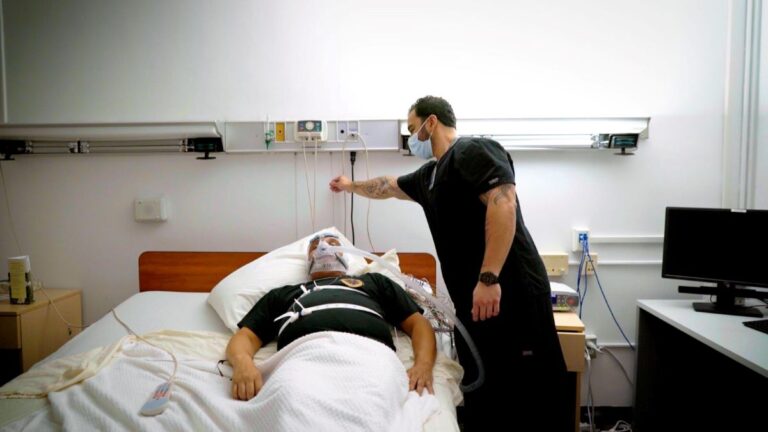
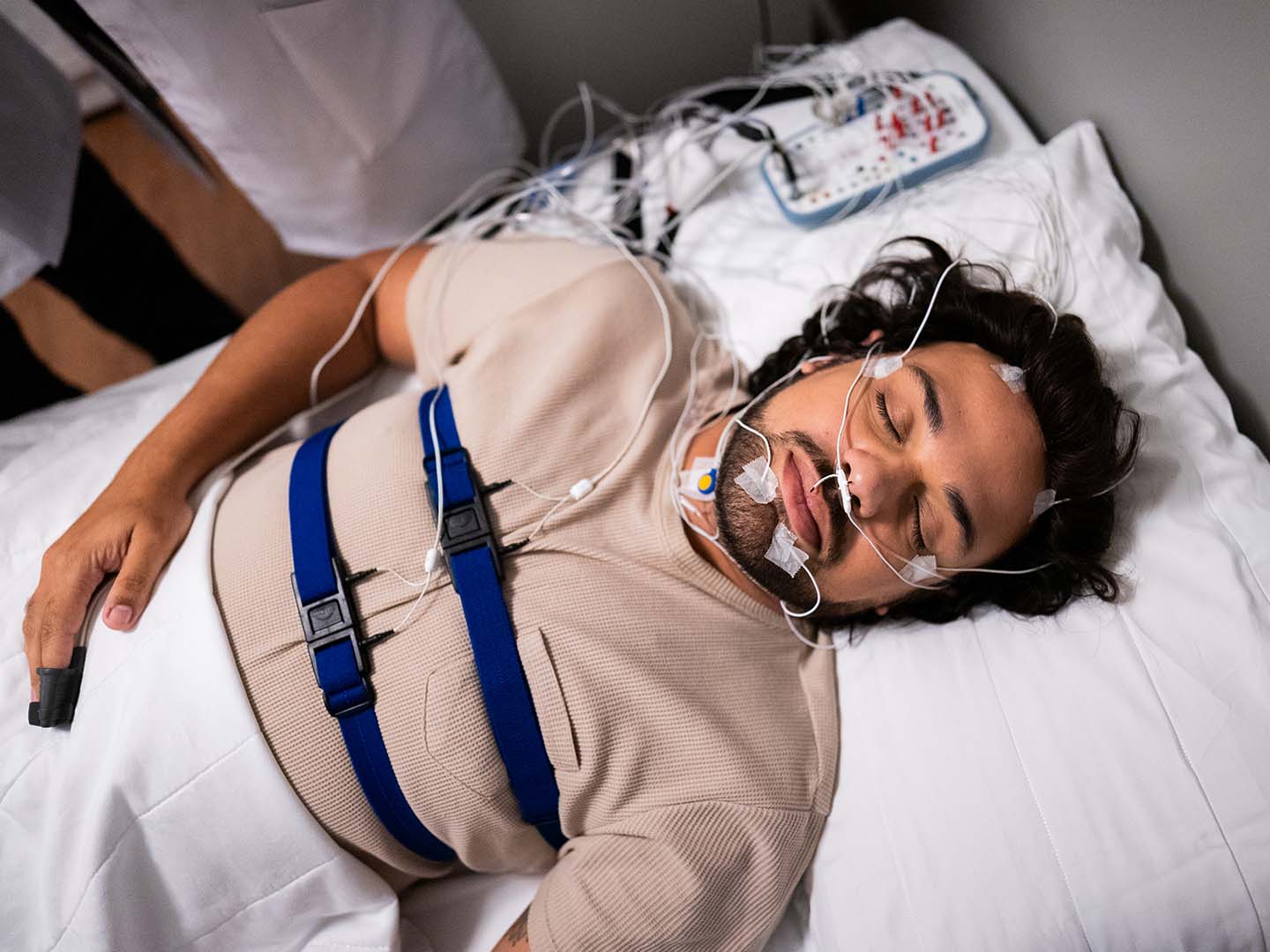
Polysomnography Sydney facilities conduct comprehensive overnight studies where trained technicians attach multiple sensors to your body before sleep. These sensors connect to your scalp, chest, abdomen, and fingers to capture detailed physiological data throughout the night. You’ll sleep in a private, hotel-like room while equipment continuously records your sleep patterns until morning when staff wake you for sensor removal.
Home Sleep Tests
Home sleep test Sydney options provide a more convenient alternative for eligible patients. During a brief clinic visit, technicians attach portable monitoring devices that you wear home for several consecutive nights. The equipment automatically records data while you sleep in your own bed, then you return the device to the clinic for analysis.
What Does a Sleep Study Measure?
The sleep study procedure tracks critical physiological parameters:
- Breathing patterns detect pauses or shallow breathing episodes
- Oxygen saturation levels measure blood oxygen drops during sleep
- Heart rate variability reveals cardiovascular responses to breathing disruptions
- Body movements identify restlessness and position changes
- Brain waves (polysomnography only) determine sleep stages and quality
- Muscle activity monitors leg movements and muscle tone
In-lab studies capture more comprehensive data including brain activity and detailed sleep architecture, while home tests focus primarily on breathing and oxygen metrics. The choice between methods depends on your medical history, symptom severity, and specialist recommendations based on initial consultation findings.
What Preparation Is Needed Before Taking a Sleep Apnea Test?
Preparing for a sleep apnea test begins with obtaining a referral from your general practitioner, which is required before booking any sleep study in Sydney. Your GP will assess your symptoms and determine whether testing is appropriate for your situation.
Preparation for In-Lab Polysomnography Studies
For in-lab polysomnography studies, pack an overnight bag with:
- Comfortable sleepwear
- Personal toiletries and medications
- A change of clothes for the morning
- Any items that help you relax before bed (such as a book)
Importance of Personal Hygiene in Sleep Study Preparation
Personal hygiene plays a crucial role in sleep study preparation Sydney. Arrive with clean, dry hair free from styling products, as oils and gels interfere with electrode adhesion. Remove nail polish from at least one finger on each hand, since sensors measuring oxygen levels need direct contact with your nail bed.
Minimal Preparation Required for Home-Based Tests
Home-based tests require minimal preparation. You’ll visit the clinic briefly where staff attach the monitoring device and provide clear instructions for use. The setup takes approximately 15-20 minutes, and you’ll wear the device at home for several consecutive nights.
Following these pre-test instructions carefully ensures sensors maintain proper contact throughout the night, capturing accurate data. Poor preparation can lead to incomplete recordings, requiring you to repeat the study and delaying your diagnosis and treatment plan.
Who Is Suitable for Home-Based Sleep Apnea Testing?
Home sleep test eligibility primarily hinges on whether you exhibit uncomplicated symptoms suggesting obstructive sleep apnea, without significant comorbidities. Most patients with straightforward snoring, witnessed breathing pauses, and daytime fatigue qualify for home-based testing as their first diagnostic option.
However, several medical conditions create contraindications for home sleep study and necessitate in-lab assessment instead:
- Neuromuscular disease affecting respiratory muscles
- Severe COPD with significant lung function impairment
- Resting hypoxia or hypercapnia (low oxygen or high carbon dioxide at rest)
- Morbid obesity where body mass may interfere with sensor accuracy
- Significant cardiovascular disease including heart failure or unstable angina
- Chronic narcotic use which can suppress breathing patterns
Patients with suspected central sleep apnea, complex sleep disorders, or those requiring detailed brain wave monitoring need comprehensive in-lab polysomnography. Children under certain ages typically require supervised testing environments.
Your sleep physician determines who can do home sleep test based on your medical history, symptom profile, and risk factors. If you have multiple health conditions or your initial home test produces inconclusive results, your doctor may recommend transitioning to an in-lab study for more detailed monitoring and accurate diagnosis.
How Are Sleep Apnea Test Results Interpreted by Specialists?
Interpreting sleep apnea results requires analyzing multiple data streams collected during your study. A qualified sleep specialist or physician examines breathing interruptions (apneas and hypopneas), oxygen desaturation events, heart rate variability, and sleep architecture throughout the night.
The primary metric used in sleep study report analysis is the Apnea-Hypopnea Index (AHI), which counts the number of breathing disruptions per hour of sleep. An AHI of 5-15 indicates mild sleep apnea, 15-30 represents moderate severity, and above 30 signals severe obstructive sleep apnea. Specialists also review the oxygen desaturation index, which measures how often blood oxygen levels drop below normal thresholds.
Diagnosing sleep apnea severity extends beyond AHI numbers alone. Your specialist examines:
- The duration and frequency of breathing pauses
- Lowest oxygen saturation levels reached during sleep
- Heart rate patterns and arrhythmias
- Sleep stage distribution and fragmentation
- Body position effects on breathing events
The physician correlates these findings with your reported symptoms—daytime sleepiness, witnessed apneas, morning headaches, or concentration difficulties. This comprehensive analysis determines whether you have obstructive sleep apnea, central sleep apnea, or mixed patterns.
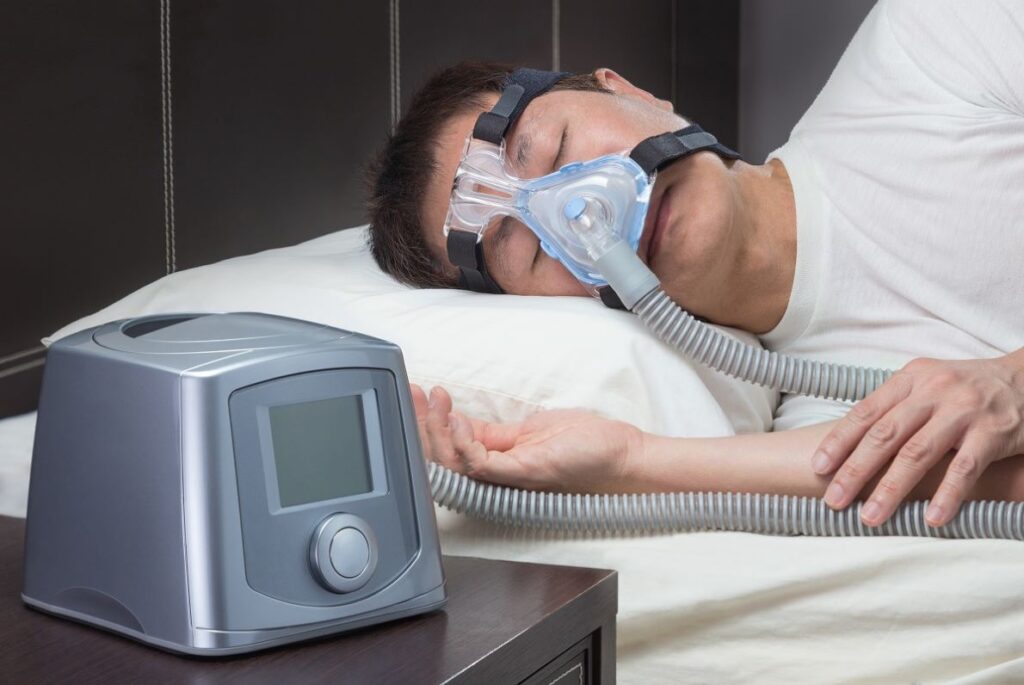
Based on this detailed assessment, your specialist recommends targeted treatments ranging from lifestyle modifications and positional therapy to CPAP therapy, oral appliances, or surgical interventions tailored to your specific condition severity and contributing factors.
Where Can Patients Access Reliable Sleep Apnea Testing Services in Sydney?
Sydney has several accredited sleep centers that offer comprehensive testing for sleep apnea. These clinics are equipped to perform both in-lab polysomnography and home-based tests, and they have experienced sleep physicians and technicians on staff.
Accreditation is important because it ensures that these facilities meet national standards for equipment calibration, staff qualifications, and diagnostic protocols. If you need a referral to a reputable center, your general practitioner (GP) can help based on your medical history and testing requirements.
Here’s what you can expect when booking a sleep apnea test:
- Consultation with your GP to get a referral
- Contacting the sleep clinic directly to schedule an appointment
- Confirming whether Medicare or private health insurance will cover the costs
By choosing an established facility with board-certified sleep specialists, you can be confident that you’ll receive an accurate diagnosis and appropriate treatment options tailored to your specific condition.
Related : Bulk-Billed Sleep Study Perth: How to Get Tested Without a Referral Fee