
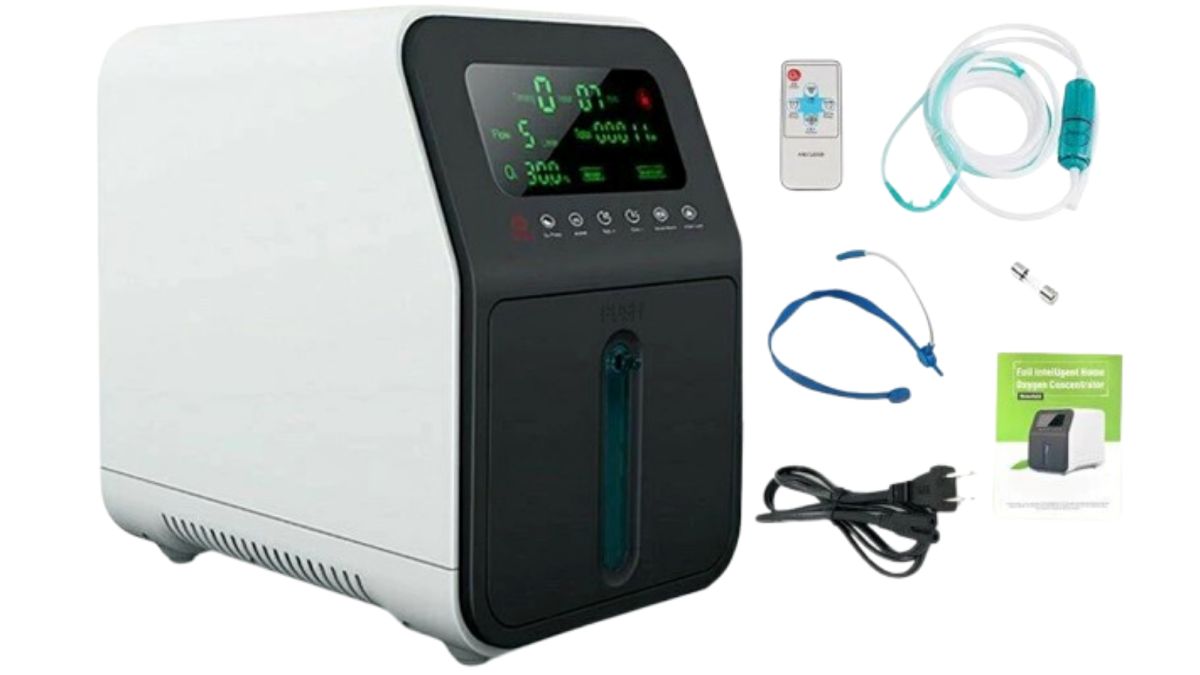
The Future of Breathing: Why You Need an Oxygen Concentrator
Why Is Oxygen Essential for Our Health?
Oxygen powers every cell in your body, driving the metabolic processes that keep you alive. Without adequate oxygen supply, cells cannot produce the energy needed for basic functions like muscle movement, brain activity, and organ operation.
Your respiratory system acts as the delivery mechanism, transporting oxygen from the air you breathe into your bloodstream. Red blood cells then carry this vital element to tissues throughout your body. This continuous cycle maintains cellular health and supports everything from immune function to tissue repair.
The importance of oxygen for human health becomes starkly apparent when this system fails. Individuals with respiratory diseases face significant barriers to absorbing sufficient oxygen from their lungs. Conditions like chronic obstructive pulmonary disease (COPD), emphysema, and pulmonary fibrosis damage lung tissue or block airways.
These blockages prevent oxygen from reaching the bloodstream efficiently. Patients experience debilitating symptoms:
- Persistent fatigue and weakness
- Severe shortness of breath during routine activities
- Difficulty sleeping due to breathing problems
- Reduced cognitive function from oxygen deprivation
The body compensates by working harder—breathing faster, heart pumping more vigorously—but this creates additional strain. Over time, insufficient oxygen levels compromise quality of life and can lead to serious complications affecting the heart, brain, and other vital organs.
The future of breathing lies in technologies that bridge this oxygen gap. When natural lung function cannot meet the body’s demands, medical intervention becomes necessary to restore adequate oxygen levels and prevent progressive deterioration of health.
What Are Oxygen Concentrators and How Do They Work?
Oxygen concentrator is a medical device designed to extract and concentrate oxygen from ambient air, delivering therapeutic oxygen at purities of up to 90% directly to patients who need respiratory support. These machines eliminate the need for stored oxygen, producing medical-grade oxygen on demand whenever plugged into an electrical outlet or powered by batteries.
The Science Behind Pressure Swing Adsorption
The core technology behind oxygen concentrators is pressure swing adsorption—a complex method that separates oxygen from nitrogen in the air we breathe. Here’s how it works:
- Air intake: The device pulls in room air through a filter.
- Compression: The incoming air is compressed to increase its pressure.
- Separation: The pressurised air passes through chambers filled with molecular sieves made of zeolites (tiny crystals with specific-sized holes).
- Oxygen passage: Nitrogen molecules get trapped in the zeolites while oxygen flows through unaffected.
- Release cycle: To regenerate the sieves, a portion of the captured nitrogen is released back into the atmosphere during depressurisation.
This cycle continuously produces concentrated oxygen suitable for medical use.
Oxygen Concentrators vs Traditional Cylinders
Switching from oxygen cylinders to concentrators represents a significant shift in how patients receive respiratory therapy. Here’s a comparison between the two systems:
| Feature | Oxygen Concentrators | Traditional Cylinders |
| Storage | No need for storage; generates oxygen on demand | Stores compressed oxygen as a limited resource |
| Refills | No refills required; always ready for use | Requires regular refills and delivery logistics |
| Monitoring | No need for careful monitoring; continuous supply | Requires careful monitoring to avoid running empty |
| Safety | Eliminates risks associated with storing pressurised tanks | Potential hazards with damaged cylinders or handling |
| Convenience | Portable and easy to use anywhere with power source | Heavy and less portable; requires transportation |
By understanding these differences, patients can make informed decisions about their respiratory therapy options based on safety, convenience, and accessibility factors.
How Portable Oxygen Concentrators (POCs) Are Revolutionising Mobility
Portable oxygen concentrators have transformed respiratory care by freeing patients from the constraints of stationary equipment and heavy cylinders. These devices deliver medical-grade oxygen whilst allowing users to maintain active lifestyles, travel freely, and participate in daily activities without compromising their health needs.
What Makes POCs So Portable?
The revolutionary design of modern POCs centres on three critical features that distinguish them from traditional oxygen delivery systems. Their compact size allows them to fit comfortably in a backpack or shoulder bag, with many models measuring no larger than a small handbag.
Weight reduction represents another breakthrough in portable oxygen concentrator technology. Contemporary devices typically weigh between 2 to 5 kilograms, a dramatic improvement from earlier models that exceeded 10 kilograms. This lightweight construction enables users to carry their oxygen supply without physical strain or fatigue.
Battery operation capability completes the mobility trifecta. POCs run on rechargeable lithium-ion batteries that provide 4 to 8 hours of continuous use, with some advanced models offering extended battery packs for longer excursions. The dual-power functionality means devices can operate on battery power during outdoor activities and switch to mains electricity at home.
Understanding POC Types: On-Demand vs Continuous Flow
The market offers two distinct POC types that cater to different patient requirements and breathing patterns. Selecting between these options depends on individual oxygen needs, activity levels, and medical recommendations.
On-Demand Flow Devices
On-demand flow POCs, also called pulse-dose systems, deliver oxygen only during inhalation. These intelligent devices use sensors to detect when the patient begins breathing in, then release a measured burst of concentrated oxygen. This synchronised delivery method offers several advantages:
- Reduced oxygen waste: by eliminating flow during exhalation
- Extended battery life: due to intermittent rather than constant operation
- Lighter weight: as smaller oxygen production components suffice
- Quieter operation: with less continuous mechanical activity
Patients with moderate oxygen requirements who maintain regular breathing patterns typically benefit most from on-demand systems. These devices prove ideal for active individuals who need supplemental.
How Do Oxygen Concentrators Improve Patients’ Quality of Life?
Oxygen concentrators significantly enhance the daily lives of individuals with chronic respiratory conditions by directly addressing the debilitating symptoms that limit their activities. Patients facing challenges in managing COPD experience immediate relief from breathlessness, chronic fatigue, and the constant fear of insufficient airflow. The concentrated oxygen supply ensures their blood maintains adequate oxygen saturation levels, enabling them to carry out everyday tasks—such as cooking, dressing, and walking short distances—without the overwhelming tiredness that previously characterised their lives.
Relief from Symptoms and Improved Daily Functioning
The benefits of oxygen therapy go beyond mere breathing assistance. Patients report substantial reductions in:
- Morning headaches caused by lack of oxygen during sleep
- Mental fog that hampers decision-making and memory
- Chest tightness and persistent coughing episodes
- Dizziness and confusion due to insufficient oxygen reaching the brain
These improvements lead to significant changes in daily life. For instance, a person who couldn’t climb stairs without taking breaks can now reach their bedroom independently. Similarly, someone who stopped going grocery shopping because of breathlessness can now leisurely browse the aisles with the help of a portable unit.
Better Sleep Quality and Increased Longevity
Long-term use of oxygen therapy has been shown to improve sleep patterns and duration. Patients who use concentrators while sleeping experience fewer disturbances during the night, reduced occurrences of sleep apnoea, and deeper REM cycles. This allows their bodies to receive a continuous supply of oxygen necessary for repair processes during rest.
Clinical studies indicate that consistent oxygen therapy can extend the lifespan of individuals with severe COPD by several years. The explanation is simple: when organs receive proper oxygenation, they function more effectively, alleviating pressure on the heart and preventing complications arising from chronic low oxygen levels.
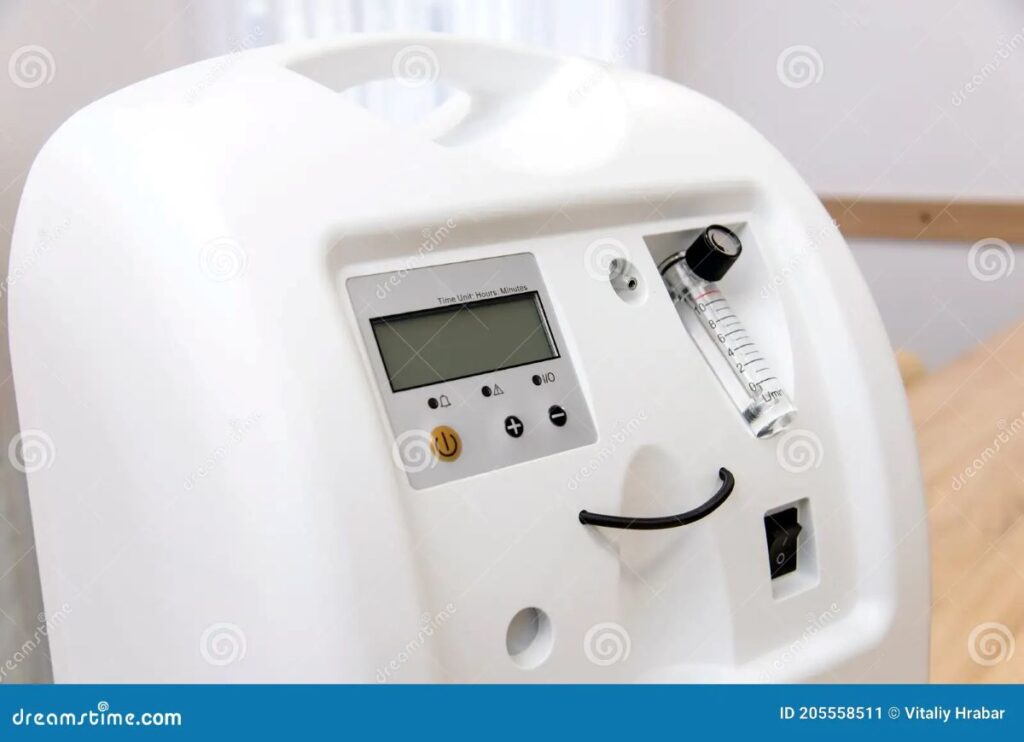
Greater Freedom in Daily Life and Social Engagement
Take Margaret as an example—a 68-year-old grandmother with advanced COPD who hadn’t been able to attend her grandchildren’s school events for three years. After she got a portable oxygen concentrator, she was able to go to her grandson’s football match and comfortably sit in the stands for 90 minutes. The quiet operation of the device allowed her to have conversations with other parents without drawing attention to her condition.
Similarly, James—a 55-year-old former teacher—rediscovered his love for photography using a lightweight portable oxygen concentrator (POC) with an eight-hour battery life. He now ventures outdoors for photo shoots without worrying about running out of oxygen or missing out on capturing beautiful moments.
These real-life examples demonstrate how oxygen concentrators empower individuals with chronic respiratory conditions to reclaim their independence, pursue hobbies, and actively participate in social activities once again.
What Innovations Are Shaping the Future of Oxygen Concentration Technology?
1. Nanomaterials in oxygen concentrators
Nanomaterials in oxygen concentrators are transforming the efficiency and size of these devices. Researchers have created nanosized zeolites—molecular sieves measuring just billionths of a metre—that significantly enhance the pressure swing adsorption process at the core of these machines. These cutting-edge materials increase the surface area available for gas separation, enabling concentrators to extract oxygen from ambient air more quickly while taking up less physical space.
The use of nanomaterials allows manufacturers to create lighter, more compact units without compromising oxygen output. A concentrator that used to weigh 10 kilograms can now provide the same therapeutic benefit at half the weight. This breakthrough is particularly advantageous for portable models, where every gram counts for patient comfort during extended use.
2. Battery Improvements Extending Device Runtime
Battery life is one of the biggest challenges in developing portable oxygen concentrators. Currently, lithium-ion batteries usually last 2-4 hours of continuous use, forcing patients to plan their activities around charging times or carry multiple spare batteries.
Engineers are exploring several promising solutions:
- Solid-state battery technology offers higher energy density, potentially doubling runtime while reducing fire risk
- Intelligent power management systems that adjust oxygen delivery based on activity levels, saving energy during rest periods
- Fast-charging capabilities that can restore 80% battery capacity in under 30 minutes
- Solar-compatible designs allowing users to recharge devices outdoors during extended trips
Recent prototypes have achieved 8-10 hours of operation on a single charge. This increased battery life gives patients more freedom, enabling full workdays, long-distance travel, and overnight use without interruption.
3. Technologies Reducing Operational Noise
Traditional oxygen concentrators produce 40-50 decibels of sound—comparable to a quiet conversation—which can disturb sleep and attract unwanted attention in public places. Noise reduction technology has become a priority as manufacturers understand its importance for patient comfort and device acceptance.
Acoustic dampening materials now line internal chambers, absorbing vibrations from the compressor and air flow. Advanced compressor designs with precision-balanced components minimise mechanical noise at the source. Some manufacturers have introduced whisper-quiet models operating below 35 decibels.
How Will Oxygen Concentrators Support Space Exploration Missions?
Space-grade oxygen concentrators will become indispensable life support systems for astronauts living on the Moon and Mars. These advanced devices must generate medical-grade oxygen continuously without the possibility of resupply from Earth, making them fundamentally different from terrestrial models that can rely on maintenance visits and replacement parts.
NASA medical systems research teams are developing specialised oxygen generation technologies that can function reliably in the harsh conditions of extraterrestrial habitats. The vacuum of space, extreme temperature fluctuations, and intense radiation exposure create an operating environment that would destroy conventional concentrators within days. Engineers must redesign every component—from molecular sieves to power systems—to withstand these challenges whilst maintaining the precise oxygen purity levels required for human respiration.
What Makes Space-Grade Concentrators Different?
The constraints of spaceflight demand radical miniaturisation and efficiency improvements. Every kilogram of equipment launched to Mars costs approximately £40,000 to £80,000, creating enormous pressure to reduce device weight without compromising functionality. Current portable oxygen concentrators weigh 2-7 kilograms, but space-grade versions must achieve similar output whilst weighing less than 1 kilogram.
Power consumption presents an equally critical challenge. Lunar and Martian habitats will operate on limited solar or nuclear power budgets, meaning oxygen concentrators cannot draw the 100-300 watts typical of Earth-based models. NASA researchers are exploring ultra-efficient pressure swing adsorption cycles that reduce energy requirements by 60-70% through optimised zeolite materials and innovative compression techniques.
Engineering Solutions for Extreme Environments
Modular design principles guide the development of these next-generation systems. Rather than building single large concentrators, engineers are creating interconnected smaller units that can be replaced individually if one fails. This redundancy proves essential when the nearest repair technician is 225 million kilometres away during Mars missions.
The vacuum environment of space actually offers one unexpected advantage: reduced atmospheric pressure means concentrators don’t need to work as hard to separate oxygen molecules. However, this benefit comes with trade-offs, as the devices must be sealed in pressurised compartments and integrated with complex life support systems that regulate humidity, temperature, and air composition throughout the habitat.
Why Should More People Consider Using Oxygen Concentrators Today?
The demand for oxygen concentrators has surged beyond traditional medical circles. These devices now serve a broader population seeking to optimise their respiratory health and overall wellness, transforming from purely clinical equipment into proactive health management tools.
Accessibility to medical-grade oxygen has fundamentally changed how people approach respiratory wellness. Home care solutions featuring oxygen concentrators eliminate the need for frequent hospital visits or cumbersome oxygen cylinder deliveries. Patients with chronic conditions can now receive continuous therapeutic oxygen in the comfort of their homes, whilst maintaining independence and privacy.
The shift in perception stems from compelling evidence about oxygen therapy’s preventative benefits. Athletes use concentrators to enhance recovery and performance, whilst individuals living in high-pollution urban environments supplement their oxygen intake to counteract poor air quality. High-altitude residents similarly benefit from supplemental oxygen to combat the effects of reduced atmospheric pressure.
Expanding Beyond Medical Necessity
Three key factors drive the growing adoption of oxygen concentrators:
- Preventative health management – Proactive users incorporate oxygen therapy into wellness routines before respiratory issues develop
- Quality of life enhancement – Non-medical users report improved energy levels, mental clarity, and sleep quality
- Cost-effectiveness – Long-term ownership proves more economical than repeated cylinder rentals or emergency medical interventions
The elderly population particularly benefits from early oxygen supplementation. Age-related decline in lung function affects oxygen absorption efficiency, even without diagnosed disease. Concentrators provide a practical solution for maintaining optimal blood oxygen levels, potentially delaying or preventing serious respiratory complications.
Home Care Revolution
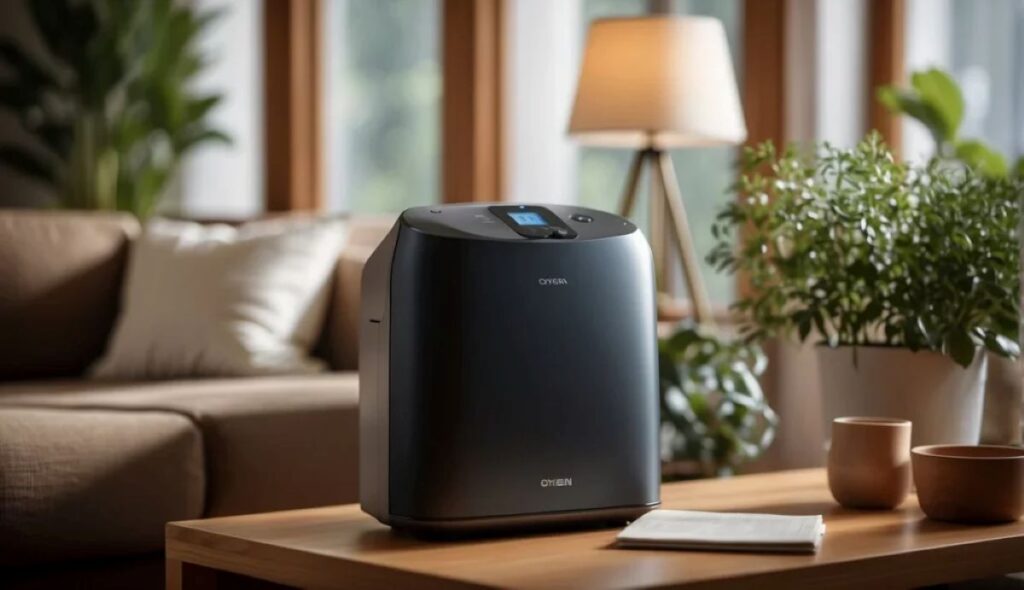
Modern stationary concentrators integrate seamlessly into domestic environments. Quiet operation, compact designs, and user-friendly interfaces make them suitable for continuous home use. Families caring for elderly relatives find these devices invaluable for managing age-related respiratory decline without institutional care.
The Future of Breathing: Why You Need an Oxygen Concentrator extends beyond current medical applications. Emerging research suggests that controlled oxygen supplementation may support cognitive function in ageing populations and aid recovery from various health conditions. Sleep apnoea sufferers, for instance, increasingly combine CPAP therapy with oxygen concentrators for enhanced nighttime respiratory support.
Insurance coverage expansion reflects this broader acceptance. Many health systems now recognise oxygen concentrators as essential home medical equipment. You may like to visit https://houseofedu.com/the-definitive-guide-to-choosing-the-right-cpap-machines/ to get the definitive guide to choosing the right CPAP machines.
The Future of Breathing Technology: Embracing Oxygen Concentrators for Better Respiratory Health On Earth And Beyond!
The importance of oxygen concentrators extends far beyond managing existing conditions—these devices represent a proactive approach to respiratory wellness. Future breathing technology offers unprecedented opportunities to protect lung health before serious problems develop.
Modern oxygen concentrators serve dual purposes: therapeutic intervention for diagnosed conditions and preventative care for those at risk. Athletes training at altitude, individuals recovering from respiratory infections, and people living in areas with poor air quality can all benefit from supplemental oxygen support.
Taking Action for Your Respiratory Future
The decision to explore oxygen therapy shouldn’t wait until breathing becomes difficult. Early intervention often yields better outcomes and prevents the progression of respiratory decline.
Consider oxygen concentrator technology if you:
- Experience frequent shortness of breath during routine activities
- Have a family history of respiratory conditions like COPD
- Live with chronic fatigue that affects daily functioning
- Struggle with poor sleep quality or morning headaches
- Work in environments with compromised air quality
Healthcare professionals can assess your oxygen saturation levels and determine whether supplemental oxygen would benefit your specific situation. Blood oxygen monitoring provides objective data about your respiratory efficiency, guiding personalised treatment recommendations.
Choosing the Right Device for Your Needs
The future of breathing depends on matching technology to lifestyle requirements. Portable models suit active individuals who refuse to let respiratory concerns limit their adventures. Stationary concentrators provide reliable home-based therapy for those requiring higher flow rates.
Consultation with respiratory specialists ensures you select equipment that aligns with your medical needs, activity levels, and budget constraints.
Battery capacity, noise levels, oxygen purity ratings, and flow delivery methods all influence device performance. Healthcare providers can explain these technical specifications in practical terms, helping you understand which features matter most for your circumstances.
From Earth to Space: A Universal Solution
The same pressure swing adsorption technology supporting patients at home will sustain astronauts on Mars. This convergence of terrestrial medicine and space exploration highlights the fundamental importance of oxygen concentrators in human survival.
As technology advances, devices become smaller, quieter, and more efficient. Nanomaterial integration promises concentrators that weigh less whilst delivering higher oxygen purity. Extended battery life will enable users to venture further from power sources without anxiety.
FAQs (Frequently Asked Questions)
Why is oxygen essential for human health and how does it support cellular function?
Oxygen is vital for human health as it supports cellular function by enabling cells to produce energy necessary for all bodily processes. Adequate oxygen levels ensure overall well-being, while insufficient oxygen absorption, especially in individuals with respiratory diseases, can lead to significant health challenges.
What are oxygen concentrators and how do they work using pressure swing adsorption technology?
Oxygen concentrators are medical devices designed to deliver therapeutic oxygen to patients by extracting oxygen from ambient air. They employ pressure swing adsorption technology, which uses nanosized zeolites as molecular sieves to separate oxygen from nitrogen and other gases, providing a concentrated oxygen supply that is safer and more convenient compared to traditional oxygen cylinders.
How do portable oxygen concentrators (POCs) enhance mobility for patients requiring oxygen therapy?
Portable oxygen concentrators (POCs) revolutionise patient mobility through their compact size, lightweight design, and battery operation capabilities. There are two main types: on-demand flow devices that deliver oxygen only during inhalation, and continuous flow devices that provide a constant oxygen supply. These features allow users greater freedom and flexibility in managing their respiratory health while maintaining an active lifestyle.
In what ways do oxygen concentrators improve quality of life for patients with chronic lung conditions like COPD?
Oxygen concentrators significantly alleviate symptoms associated with chronic lung conditions such as COPD by providing consistent supplemental oxygen therapy. This leads to improved daily functioning, better sleep quality, enhanced life expectancy, and increased ability to engage in social activities. Portable models further support patient mobility and independence.
What innovations are shaping the future of oxygen concentration technology?
The future of oxygen concentration technology is being shaped by advancements such as the integration of nanomaterials to enhance device efficiency and reduce size, improvements in battery life for extended portable use, and noise reduction technologies that minimise operational sound. These innovations aim to make oxygen therapy more effective, convenient, and comfortable for users.
How will advanced oxygen concentrators support space exploration missions?
Advanced space-grade oxygen concentrators are critical for sustaining human presence on celestial bodies like the Moon and Mars. Engineers face unique challenges in designing compact, modular devices that meet strict constraints on weight and power consumption. These systems ensure reliable oxygen generation in extraterrestrial habitats, supporting astronaut health during long-duration space missions.