
Laser Eye Surgery Recovery Timeline: Day-by-Day Healing Explained
Laser eye surgery is life-changing for many, especially busy professionals and those with active lifestyles. Clear vision without glasses or contacts can improve confidence, convenience, and quality of life. Understanding the recovery process helps patients set realistic expectations and ensures a smooth, safe healing journey. Here’s a detailed day-by-day guide to what you can expect after laser eye surgery.
Day 0: Immediately After Surgery
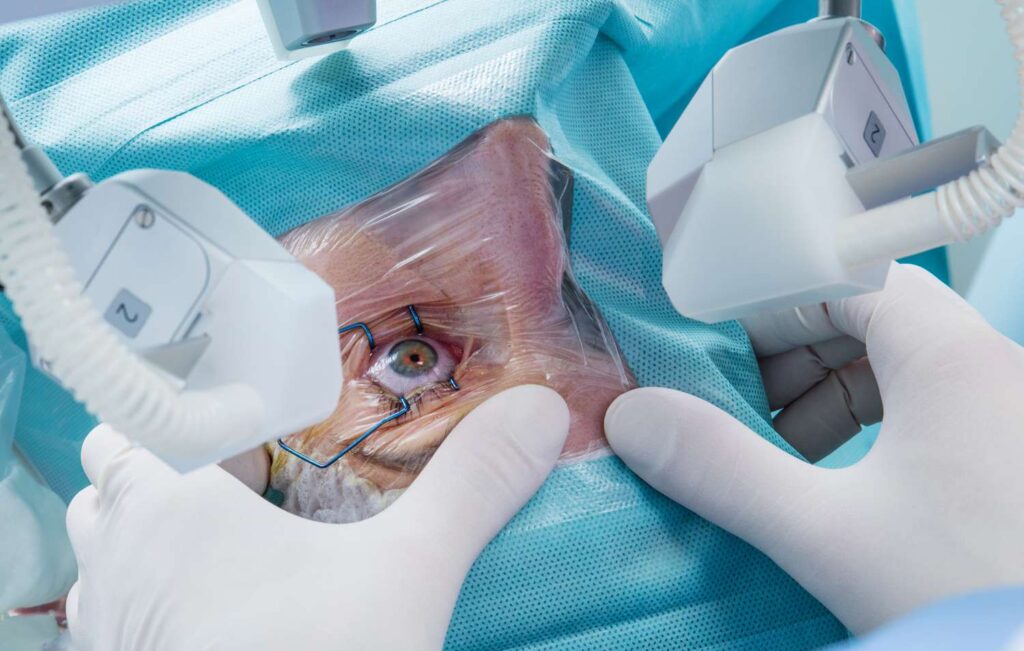
The procedure is quick, often completed in less than 30 minutes. Immediately afterward, patients may experience mild irritation, tearing, or blurry vision. Protective eye shields are typically provided to prevent rubbing or accidental injury. Resting and following post-op instructions is crucial during these first hours.
Who benefits most: Professionals or active individuals who can plan a short downtime after surgery.
Day 1: First Full Day Post-Surgery
Vision is often blurry or hazy, which is normal. Eyes may feel scratchy or watery. Using prescribed eye drops and avoiding screen strain helps reduce discomfort. Most patients can resume light activities at home.
Practical tip: Avoid driving and strenuous activity; take advantage of this day to rest and hydrate.
Day 2–3: Early Improvement
Many patients notice gradual improvement in vision. Blurriness begins to fade, and focusing becomes easier. Mild sensitivity to light and halos around lights are common.
Who benefits most: Those returning to office work can plan a staggered schedule as vision stabilises.
Day 4–7: Stabilising Vision
Vision continues to sharpen. Eye irritation decreases, and daily tasks like reading and screen work become more comfortable. It’s still important to use lubricating drops and protect eyes from dust and sun.
Practical tip: Sunglasses outdoors are recommended to protect healing eyes.
Week 2: Near-Normal Vision
By the second week, most patients experience significant clarity. Night vision may still fluctuate, and occasional dryness can persist. Patients can usually return to most normal activities, including light exercise.
Who benefits most: Active individuals can gradually resume gym routines or light sports.
Week 3–4: Continued Healing
Vision stabilises further. Some residual halos or glare may remain but typically improve daily. Eye drops may still be used occasionally, especially in dry environments.
Practical tip: Avoid swimming or contact sports until cleared by your surgeon.
Month 1: Most Patients See Clearly
Most patients achieve excellent visual acuity. Glasses are rarely needed, and normal professional and recreational activities can resume. Minor visual fluctuations may still occur but are temporary.
Who benefits most: Professionals who rely on precise vision for work or travel.
Month 2–3: Full Recovery
By three months, vision is usually fully stabilised. Any minor issues such as glare, halos, or dry eyes typically resolve. Regular check-ups confirm optimal outcomes.
Practical tip: Protect eyes with sunglasses and maintain routine eye health checks.
Benefits of Laser Eye Surgery for Busy Professionals and Active Lifestyles
1. Freedom from Glasses or Contacts
No more worries about fogged lenses or misplaced glasses during meetings or workouts.
2. Time-Saving Convenience
Eliminates daily lens care routines, saving valuable time.
3. Enhanced Athletic Performance
Clear vision improves depth perception, reaction times, and sports safety.
4. Increased Confidence
Looking and feeling your best in professional and social settings.
5. Reduced Risk of Eye Infections
Less dependence on contacts lowers chances of bacterial infections.
6. Better Morning Routine
Wake up with clear vision and start your day without hassle.
7. Long-Term Cost Savings
Avoid ongoing costs for glasses, lenses, and solutions.
8. Improved Travel Experience
Travel light without worrying about corrective eyewear or lens care.
9. Quick Return to Work and Daily Activities
Modern procedures allow minimal downtime for busy schedules.
10. Customised Treatment for Optimal Results
Tailored procedures ensure precise correction for your individual needs.
FAQs About Laser Eye Surgery Recovery
Q1: How long does it take to fully recover from laser eye surgery?
Most patients experience clear vision within the first week, but full recovery may take up to three months. Mild dryness or glare can persist, so following post-op care and attending follow-up appointments ensures safe and optimal healing.
Q2: Can I go back to work immediately after surgery?
Many patients resume light office work within a day or two, depending on comfort and visual clarity. Avoid heavy screen use initially, and take regular breaks to reduce strain and support healing.
Q3: Are there any long-term risks with laser eye surgery?
Long-term complications are rare. Occasional dry eyes or temporary visual disturbances like halos may occur. Routine eye check-ups and proper post-op care help minimise any risks.
Q4: When can I exercise after laser eye surgery?
Light exercise can often resume within a week, while contact sports or swimming should be avoided for at least a month. Always follow your surgeon’s recommendations for safe recovery.
Q5: Will I need glasses after recovery?
Most patients achieve 20/20 vision or better. Occasional reading glasses may be needed with age, but dependence on corrective eyewear is significantly reduced.