Is a Sleep Study Perth Worth It for Diagnosing Sleep Disorders?
A sleep study in Perth can be worth it because it replaces guesswork with measured data. It helps clinicians see what actually happens across a full night, then match symptoms to a clear diagnosis and treatment plan.
What exactly is a sleep study, and what does it measure?
A Sleep Study Perth assessment records what the body does during sleep, not what someone thinks happened. It typically tracks breathing, oxygen levels, heart rate, snoring, sleep stages, and body movements.
That data can show whether breathing repeatedly stops, whether sleep is fragmented, and whether oxygen drops are significant. It also helps rule conditions in or out when symptoms overlap.
Which sleep disorders can a Perth sleep study realistically diagnose?
It is most commonly used to diagnose obstructive sleep apnoea and related breathing disorders. It can also help identify periodic limb movement disorder, some parasomnias, and patterns consistent with circadian rhythm problems.
For insomnia, the study is not always essential, but it can be valuable when there’s suspected apnoea, unusual movements, or unexplained daytime sleepiness. The key benefit is separating “poor sleep” as a symptom from the underlying cause.
When is a sleep study likely to be worth it?
It is usually worth it when symptoms suggest a breathing related sleep disorder. Common signs include loud snoring, witnessed pauses in breathing, morning headaches, waking up gasping, and persistent daytime fatigue.
It can also be worth it when someone has safety critical sleepiness, such as dozing while driving, or when other approaches have failed. If they have high blood pressure, atrial fibrillation, type 2 diabetes, or weight gain alongside snoring and fatigue, a study can be especially useful because untreated apnoea can worsen those issues.
What are the main types of sleep studies available in Perth?
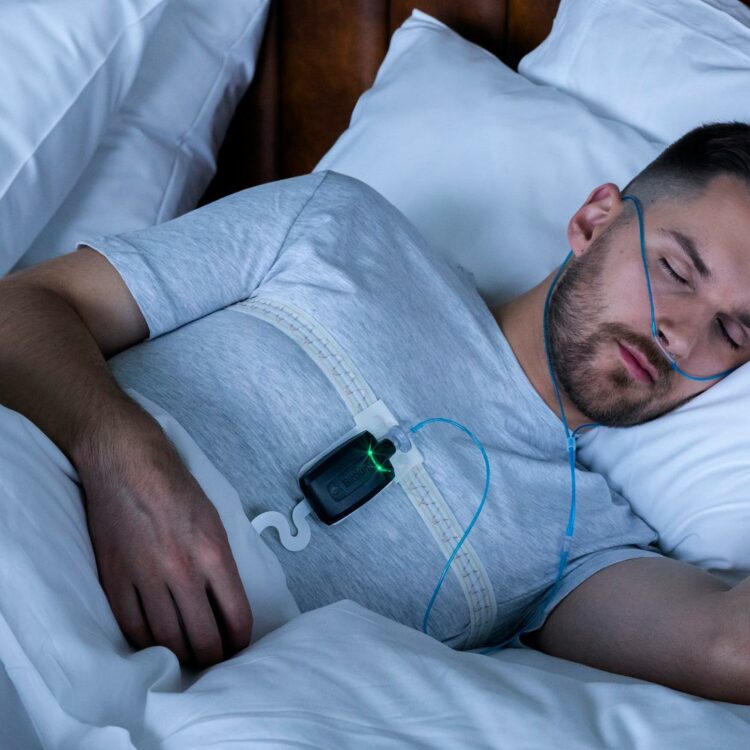
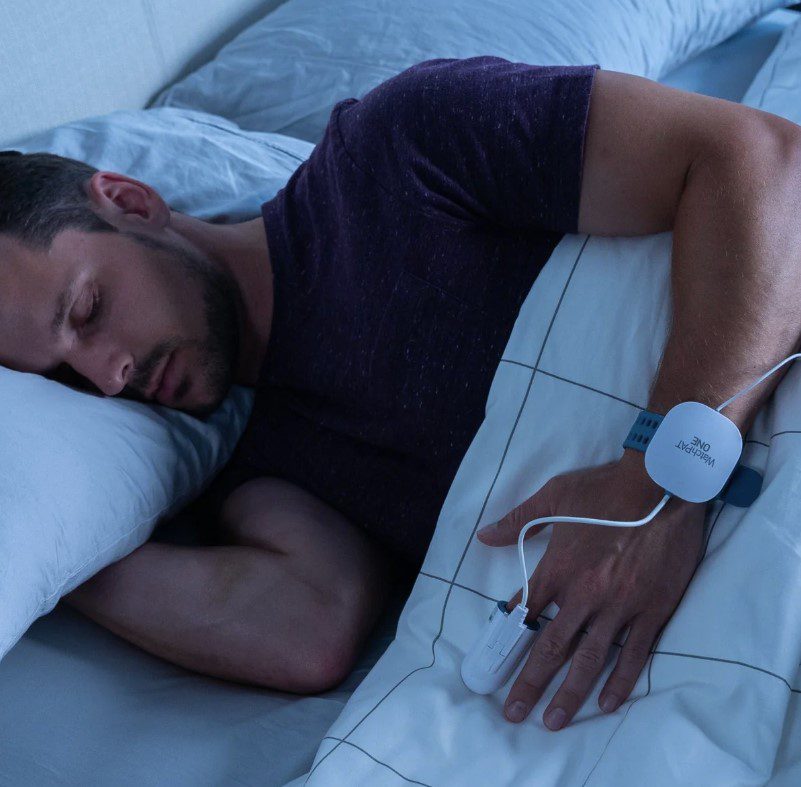
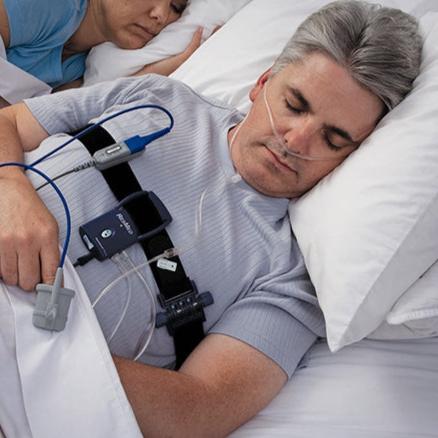
Most people will be offered either an in home study or an in lab overnight study. Home studies are typically used when obstructive sleep apnoea is strongly suspected and the person’s situation is straightforward.
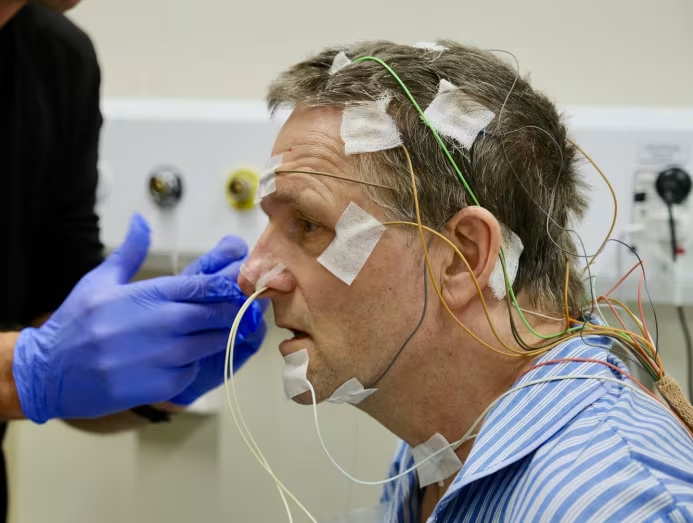
In lab studies monitor more channels and are helpful for complex cases. They are often used when home results are inconclusive, when other sleep disorders are suspected, or when someone has significant medical conditions that make monitoring more nuanced.
How accurate are home sleep studies compared with in lab testing?
Home studies can be very effective for moderate to severe obstructive sleep apnoea in otherwise uncomplicated cases. They measure breathing and oxygen well enough to confirm many diagnoses.
In lab studies are generally more comprehensive and can detect a wider range of issues because they measure brain activity and sleep stages directly. If someone’s symptoms are severe but a home study comes back normal, an in lab study is often the next step.
What does the process look like from referral to results in Perth?
They usually start with a GP or specialist consultation, followed by a referral to a sleep service. The provider then recommends the most suitable study type based on symptoms and medical history.
After the night of testing, the data is analysed and a report is prepared for the referring clinician. Results are then discussed, along with next steps such as CPAP, mandibular advancement devices, positional therapy, sleep coaching, or further investigation.
What can they expect on the night of a sleep study?
For a home study, they are typically shown how to apply sensors and wear a small recording device. The aim is to sleep as normally as possible, although it can feel unfamiliar the first time.
For an in lab study, they sleep in a clinic setting while technicians apply sensors to the scalp and body to monitor sleep stages, breathing, and movement. It can feel more involved, but it often produces clearer answers in complex cases.
What are the real benefits of getting a confirmed diagnosis?
A confirmed diagnosis can prevent years of trial and error. Instead of assuming stress, ageing, or “just being tired,” they get evidence that links symptoms to a specific problem.
That clarity can improve treatment adherence too. Many people find it easier to commit to CPAP or lifestyle changes when they can see the severity of oxygen drops or sleep disruption in the report.
Are there downsides or limitations they should know about?
A sleep study is a snapshot, so a single night may not capture every pattern, especially if sleep is unusually short or restless. Home studies can also miss certain non breathing disorders.
There is also a practical burden. Equipment can be uncomfortable, and follow up may take time depending on provider demand. Still, for many people, the value of objective data outweighs these limitations.
How much does a sleep study in Perth cost, and what affects the price?
Costs vary based on whether it is a home or in lab study, the provider, and what is included in follow up. Some services bundle the test, report, and consultation, while others charge separately.
Private health cover and eligibility for Medicare supported pathways can change the out of pocket amount. The most reliable approach is to ask for a written quote that includes the study type, reporting, and any required follow up appointments.
How should they decide if a sleep study Perth is worth it for them?
It is usually worth it when symptoms are persistent, daytime functioning is affected, or there are signs of obstructive sleep apnoea. It is also worth considering when they have cardiovascular or metabolic risks that can be worsened by untreated sleep disorders.
If their main issue is difficulty falling asleep without snoring or sleepiness, they may benefit from a clinical sleep assessment first. But when symptoms suggest more than simple insomnia, a sleep study often becomes the fastest path to a confident diagnosis and targeted treatment.
FAQs (Frequently Asked Questions)
What is a sleep study and what does it measure?
A sleep study records what the body does during sleep, tracking breathing, oxygen levels, heart rate, snoring, sleep stages, and body movements. This data helps clinicians identify issues like breathing interruptions, fragmented sleep, and oxygen drops to diagnose sleep disorders accurately.
Which sleep disorders can be diagnosed through a sleep study in Perth?
Sleep studies in Perth commonly diagnose obstructive sleep apnoea and related breathing disorders. They can also detect periodic limb movement disorder, some parasomnias, and circadian rhythm problems. While not always essential for insomnia, studies help when there’s suspected apnoea or unexplained daytime sleepiness.
When should someone consider having a sleep study in Perth?
A sleep study is recommended when symptoms suggest breathing-related disorders such as loud snoring, witnessed pauses in breathing, morning headaches, waking gasping, or persistent daytime fatigue. It’s also valuable for safety-critical sleepiness like dozing while driving or when other treatments have failed.
What types of sleep studies are available in Perth and how do they differ?
In Perth, there are mainly two types of sleep studies: home-based and in-lab overnight studies. Home studies suit straightforward cases with suspected obstructive sleep apnoea, while in-lab studies monitor more parameters and are used for complex cases or when home results are inconclusive. Learn more about how accurate Is sleep testing Australia for detecting sleep issues?
How accurate are home sleep studies compared to in-lab testing?
Home sleep studies effectively diagnose moderate to severe obstructive sleep apnoea in uncomplicated cases by measuring breathing and oxygen levels. In-lab studies are more comprehensive as they also measure brain activity and sleep stages directly, making them better for detecting a wider range of issues.
What benefits does a confirmed diagnosis from a sleep study provide?
A confirmed diagnosis eliminates guesswork by linking symptoms to specific causes like obstructive sleep apnoea. This clarity improves treatment adherence—patients often find it easier to commit to therapies such as CPAP or lifestyle changes when they understand the severity of their condition through objective data.